In today's rapidly evolving healthcare landscape, it's imperative to have a system that not only keeps up with the pace but also enhances efficiency, accessibility, and patient care. Our Cloud-based EHR software is engineered to do just that.
Designed to adapt seamlessly to the needs of modern healthcare providers, our Cloud-based EHR provides fully customizable templates and streamlined clinical workflows to reduce inefficiencies and improve patient care significantly. By harnessing the power of the cloud, practitioners can access patient records and manage their practice anytime, anywhere, with just an internet connection.
Experience the advantages of our Cloud-based EHR, including:
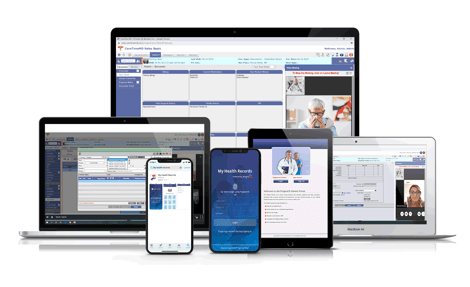
Effortless Accessibility: Access patient data securely from any device with internet access, allowing for seamless collaboration and continuity of care.
Streamlined Workflows: Say goodbye to cumbersome paperwork and manual processes. Our Cloud-based EHR automates administrative tasks, streamlines workflows, and improves practice efficiency.
Real-Time Updates: Enjoy instant access to the latest updates and features, ensuring your practice stays ahead of the curve in an ever-changing healthcare landscape.
Experience the difference EHR Software solutions from RevenueXL can make in your healthcare journey. Elevate your practice with our Cloud-based EHR solution and discover a new era of efficiency, accessibility, and patient-centric care.
Request a free demo today.


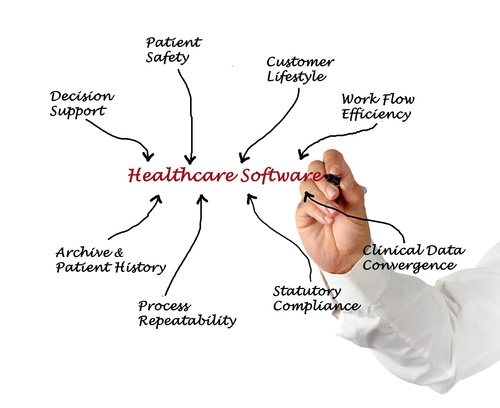
With our Electronic Health Records software, your practice can significantly enhance efficiency, accuracy, and quality of care.
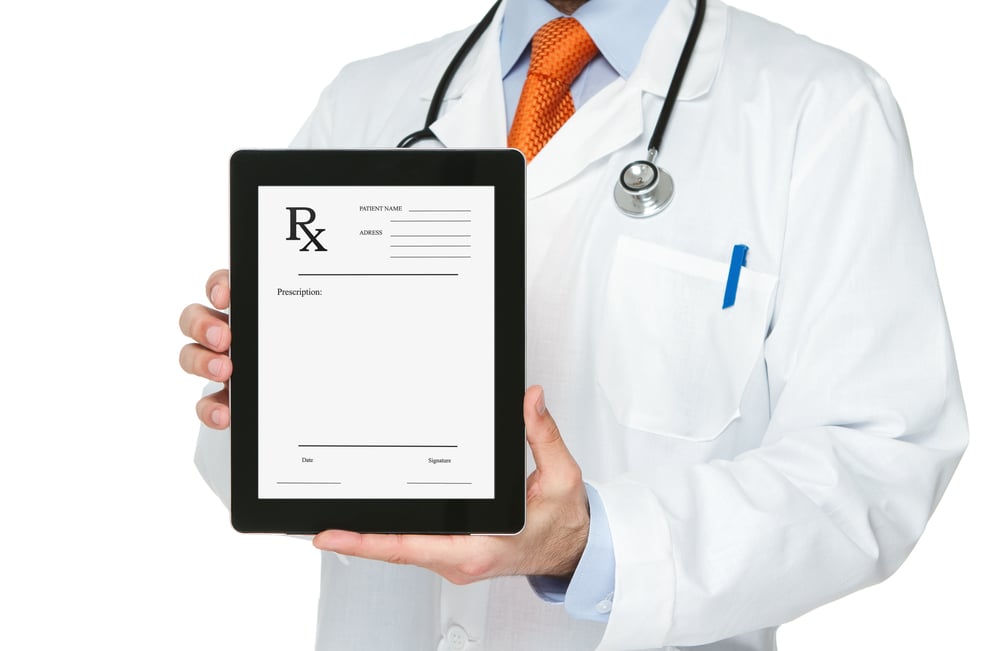
Say goodbye to the complexities of traditional prescription methods with our EHR Software's robust e-Prescribing and medication management features. Providers can electronically generate and transmit prescriptions directly to pharmacies, streamlining the prescription fulfillment process and reducing the risk of medication errors.
Our EHR's medication management capabilities offer a comprehensive view of a patient's complete medication history, including current prescriptions, past medications, and allergies. This insight supports accurate medication reconciliation and promotes patient adherence to prescribed regimens. By leveraging our EMR's e-Prescribing and medication management functionalities, your practice can enhance patient safety, improve prescription accuracy, and optimize medication-related workflows.
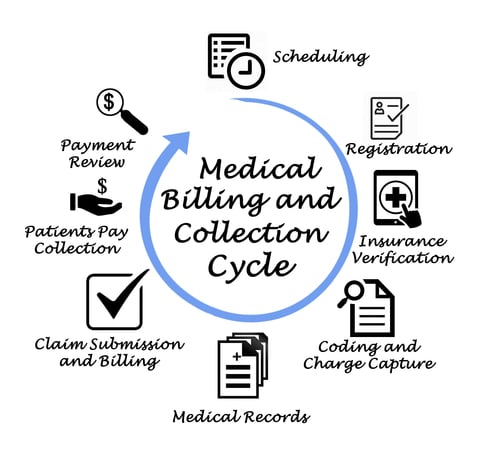
Financial efficiency is a critical aspect of a successful healthcare practice and they must be able to streamline billing and revenue cycle management, ensuring that their practice remains financially healthy while focusing on delivering exceptional patient care.
Automated charge capture functionalities reduce the risk of missed charges and claim denials, maximizing revenue potential. The EMR's coding assistance tools help ensure accurate and compliant coding, reducing the likelihood of billing errors. Furthermore, built-in claim scrubbing and validation features help identify potential issues before claims are submitted, reducing claim rejection rates and accelerating reimbursement cycles.
With comprehensive reporting capabilities, your practice can gain valuable insights into revenue streams, claim performance, and financial trends. Our EMR's billing and revenue cycle management features empower your practice to optimize financial processes, improve revenue capture, and enhance overall financial performance.

In today's data-driven healthcare landscape, extracting meaningful insights from patient information is crucial. Such meaningful insights empower healthcare providers to make data-informed decisions and drive continuous quality improvement.
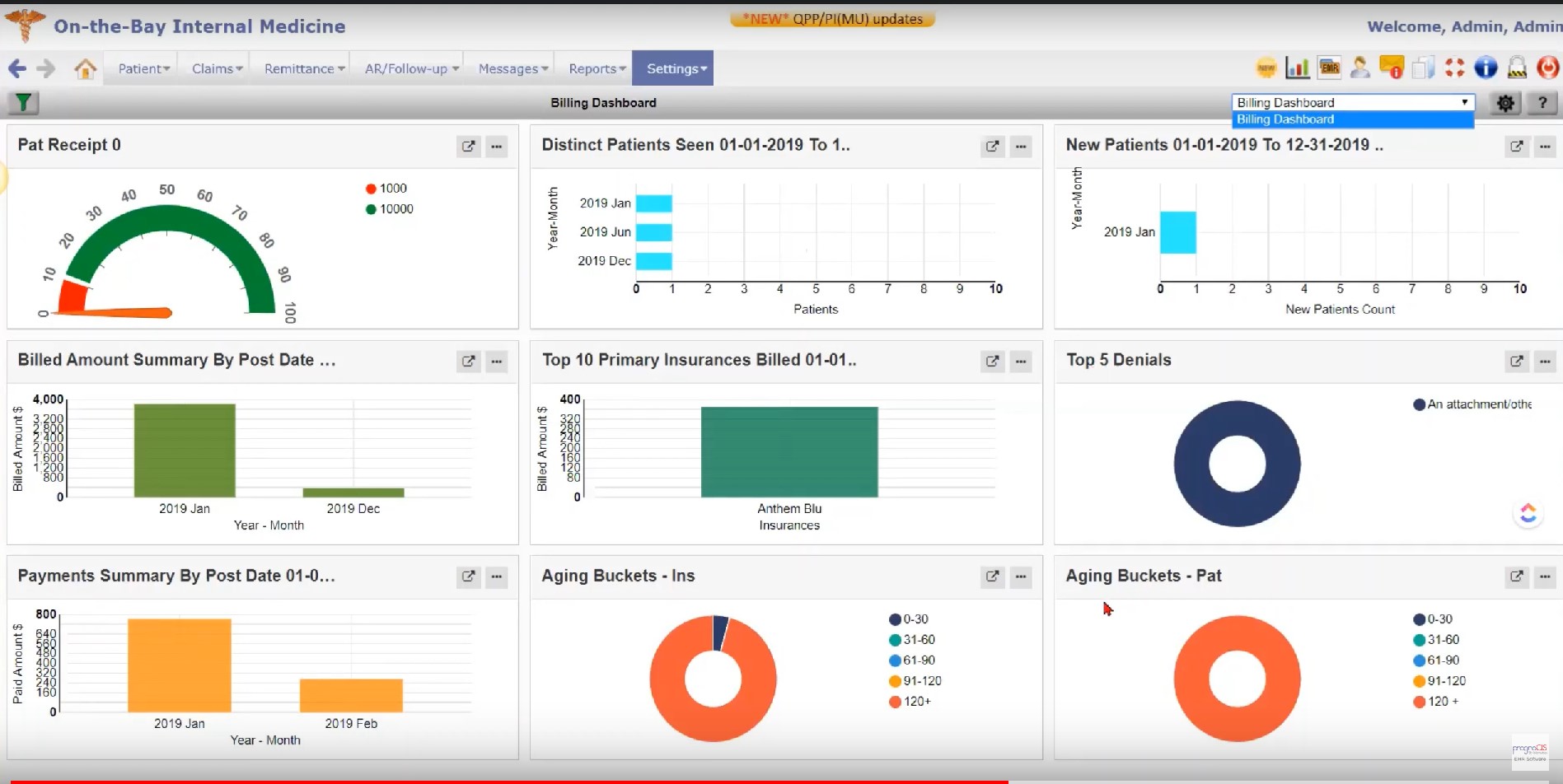
Providers can monitor key performance indicators (KPIs), track patient outcomes, and identify trends through customizable dashboards and in-depth reports. Access to clinical and financial data enables proactive intervention and the implementation of evidence-based best practices to enhance patient care.
By leveraging our EMR's analytical capabilities, your practice can identify areas for improvement, optimize workflows, and enhance overall operational efficiency. Furthermore, these insights facilitate compliance with quality reporting initiatives and regulatory requirements, positioning your practice for success in value-based care models.
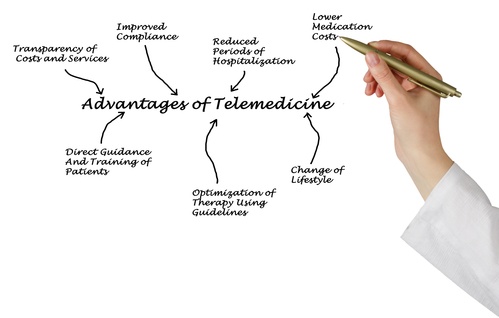
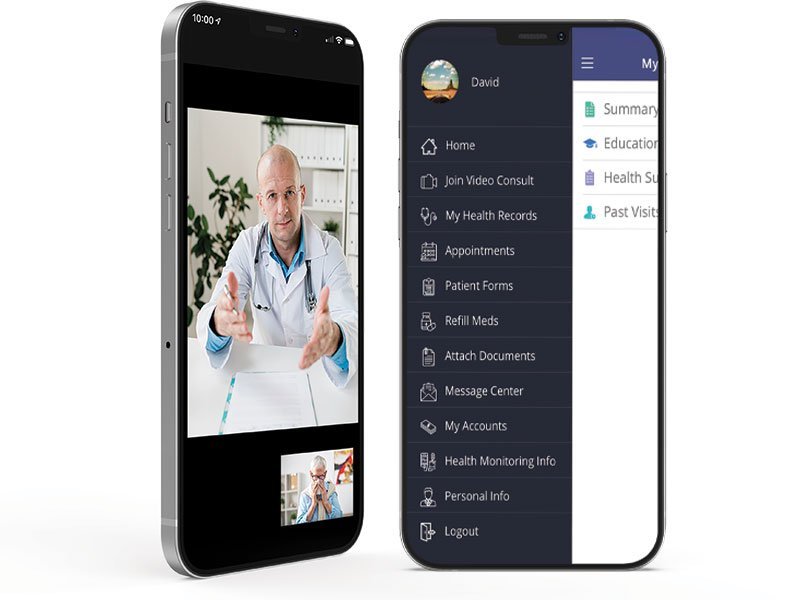
Incorporating telemedicine into your practice is now easier than ever with our EMR software's telemedicine capabilities. Offer patients the convenience of virtual visits while maintaining the same level of care as in-person appointments.
Through secure and HIPAA-compliant video conferencing, providers can connect with patients in real-time, irrespective of geographic barriers. Telemedicine expands access to care, especially for patients in remote areas or with limited mobility, leading to improved patient engagement and satisfaction.
Our EMR's telemedicine platform seamlessly integrates with existing workflows, allowing providers to document virtual visits directly in patient records. Embrace the future of healthcare with telemedicine, and provide your patients with flexible care options that prioritize convenience, accessibility, and quality.
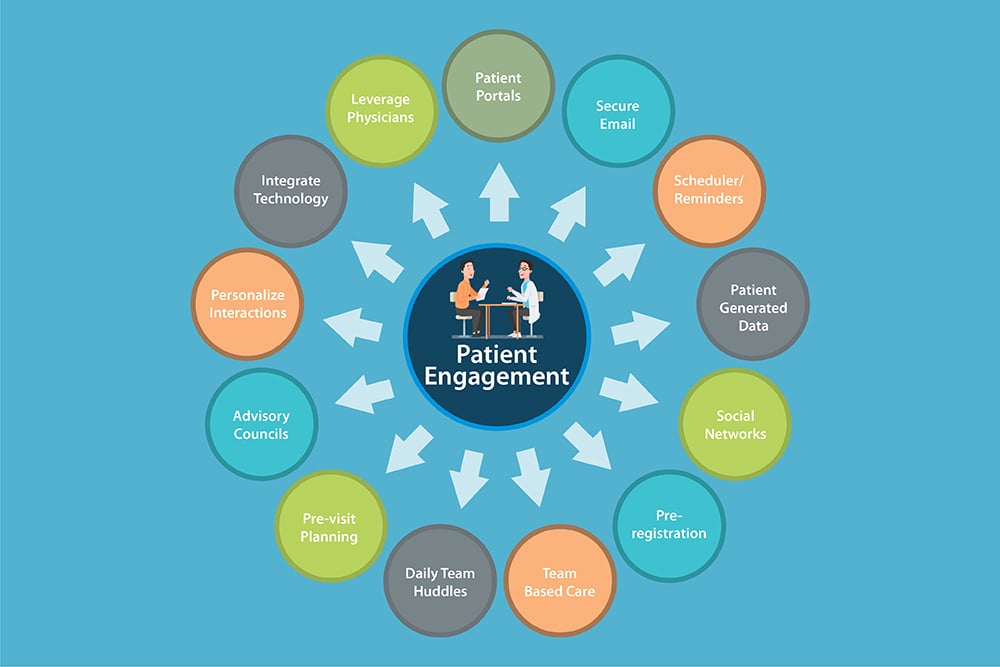
Empowering patients to actively participate in their healthcare journey is essential for achieving better health outcomes. Our EMR software comes equipped with patient engagement tools and a secure patient portal that fosters meaningful communication between patients and providers.
Through the patient portal, patients can access their medical records, review test results, request appointments, and securely message their healthcare team. This enhanced communication streamlines administrative tasks and reduces phone call volume, freeing up staff time for more critical activities.
By promoting patient engagement, RevenueXL EMR strengthens the patient-provider relationship, enhances patient satisfaction, and encourages adherence to treatment plans. Patients become partners in their care, leading to improved health outcomes and overall well-being.